


Queries


Ans: At the beginning of the transition Period the crop yield is slightly lesser due to the various changes but after about 4 years of practice should stabilize with the proper practices. Crop Growth will depend on soil, climate and how suitable the crops grown are for the particular place.In some crops the yield may increase more than in conventional farming but in others may remain the same.
Ans: No,it is actually much cheaper than conventional farming. There are various types of Natural Farming systems and all of them utilize on farm inputs and focus on creating an ecosystem with maximum resource optimization. The farmers save money as the requirement of external inputs like chemical fertilizers etc is not there. Also the farmers get the benefit of premium pricing (which can still be affordable for the public) at lower production cost.
Ans:
  • Composting: Create compost from kitchen scraps, yard waste, and animal manure to enrich soil with organic matter.
  • Cover Crops: Plant cover crops like legumes to add nitrogen and improve soil structure.
  • Green Manure: Grow and then till cover crops into the soil to enhance fertility.
  • Mulching: Apply organic mulch (like leaves, straw, or grass clippings) to retain moisture, suppress weeds, and improve soil health.
Ans:
  • Cover Crops: Plant cover crops during off-seasons to protect the soil from wind and water erosion.
  • Windbreaks: Plant trees or shrubs as windbreaks to reduce wind erosion.
  • Mulching:Using various types of mulches like straw Mulch etc helps keep the soil firm.
  • Planting vegetation with deep roots helps anchor the soil.
  • practicing crop rotation.
Ans:
  • Crop Rotation:It disrupts pest life cycles .
  • Intercropping by planting crops like garlic or marigold which repel pests.
  • Encourage the presence of beneficial insects like ladybugs and lacking that prey on insects.
Ans :
  1. Nimastra (Natural Pesticide)

    Purpose: Controls pests and protects crops from harmful insects.

    Ingredients: Neem leaves (1-2 kg), Garlic (5-10 cloves), Red chili powder (1 tablespoon), Water (10 liters).

    Method: Crush neem leaves, garlic, and red chili powder into a paste. Add the paste to 10 liters of water. Boil for 10-15 minutes and let it cool. Strain the mixture and store the liquid. Spray it on plants to keep pests away.

  2. Chilli-garlic pesticide with slight modification to Improve its effect.

    Turmeric: 500 grams (antifungal and antibacterial properties)

    Garlic: 50 cloves (insect repellent)

    Chilli: 25-30 (pest deterrent)

    Biochar: 10 cups (carrier and soil enhancer)

    Neem leaves: 5-6 handfuls (insecticidal and antifungal properties)

    Water: 10 litres (base)

    Preparation:

    1. Crush/Grind:

      Blend garlic, turmeric, and chili into a paste.

      Add a small amount of water to make blending easier.

    2. Boil Neem Leaves:

      Boil the neem leaves in 10 liter of water for 15-20 minutes.

      Let it cool and strain the liquid.

    3. Mix Biochar:

      Add biochar to the neem water and stir thoroughly.

    4. Combine Paste and Solution:

      Mix the garlic, turmeric, and chili paste into the neem biochar solution.

      Add the remaining water to dilute the mixture.

    5. Fermentation (Optional):

      Let the mixture sit for 12-24 hours for better potency.

    6. Strain:

      Strain the liquid into a spray bottle for easy application.

  3. Gomutra

    Take 1 litre cow urine and mix it with 10 litre water Then put it in a spray bottle and it is ready to use

  4. Panchgavya:

    Ingredients:

    • Cow dung
    • Cow urine
    • Milk
    • Curd
    • Ghee

    Instructions:

    • Mix all ingredients together and allow the mixture to ferment for a few days.
    • Dilute the fermented mixture with water and spray on affected plants.

    Important Notes:

    • Always test these sprays on a small area of the plant before applying them to the entire plant.
    • Apply these sprays in the early morning or evening to avoid scorching the plants.
    • Store these sprays in airtight containers in a cool, dark place.
Ans:Soil health can be improved by adding organic matter to it.

For replenishing specific nutrients the following is helpful:-

Increasing Soil Nutrients:

  1. Nitrogen (N):
    • Leguminous Plants: Grow nitrogen-fixing plants like peas, beans, and clover.
    • Compost: Add organic compost or animal manure to enhance nitrogen content.
    • Green Manure: Use cover crops like alfalfa or mustard to enrich nitrogen levels.
  2. Phosphorus (P):
    • Bone Meal: Ground animal bones can be used as a natural phosphorus source.
    • Composted Manure: Manure, when decomposed, releases phosphorus.
    • Animal Guano: A rich source of phosphorus, typically from birds and bats.
  3. Potassium (K):
    • Wood Ashes: Ash from burning wood can add potassium to the soil.
    • Banana Peels: Decompose banana peels for a potassium boost.
    • Kelp or Seaweed: Adds potassium and other micronutrients.
  4. Calcium (Ca):
    • Lime: Apply natural limestone or dolomitic lime to raise calcium levels.
    • Eggshells: Crush eggshells and incorporate them into the soil.
  5. Magnesium (Mg):
    • Epsom Salt: Add natural Epsom salt (magnesium sulfate) to the soil.
    • Dolomitic Lime: Also provides magnesium, along with calcium.
  6. Sulfur (S):
    • Composted Manure: Sulfur is released naturally from decomposed organic matter.
    • Organic Matter: Regular addition of organic materials such as compost and leaves.
  7. Micronutrients (Iron, Zinc, Copper, Manganese, Boron, Molybdenum):
    • Organic Compost: Adds trace elements in balanced quantities.
    • Seaweed or Fish Emulsion: These provide a broad range of micronutrients.
    • Litter or Manure: Animal manure contains a mix of micronutrients.
    • Mulching: Use organic mulches like straw, grass clippings, or leaves to gradually release micronutrients.
    • Bio-fertilizers: Use naturally occurring bacteria and fungi to increase nutrient availability (e.g., mycorrhizal fungi for phosphorus).

General Tips for Improving Soil Health:

  • Composting: Regularly add compost to build up soil nutrients and improve structure.
  • Cover Crops: Plant cover crops like clover or legumes to add nutrients back into the soil.
  • Crop Rotation: Avoid depleting specific nutrients by rotating crops annually.
  • Vermicomposting: Use earthworms to create nutrient-rich humus from organic waste.
  • Natural Mulching: Mulch with leaves, straw, or grass to improve soil moisture and nutrient retention.
Ans:Recipes for biopreparations:
  1. Bijamrit (Seed Treatment)

    Purpose: Enhances seed germination and protects seeds from pests and diseases.

    Ingredients: Cow urine (1 liter), Water (10 liters), Cow dung (200 grams), Turmeric powder (1 tablespoon), Neem leaves (a handful, optional).

    Method: Mix cow dung and cow urine in 10 liters of water. Add turmeric powder and neem leaves (optional). Stir well and soak the seeds for 15-30 minutes before sowing. Dry the seeds in the shade before planting.

  2. Jeevamrit(soil fertility enhancer)

    Purpose: Provides essential nutrients to the soil and enhances microbial activity.

    Ingredients: Cow dung (10 kg), Cow urine (5 liters), Water (200 liters), Jaggery (1 kg, optional), Flour (1 kg, optional), Neem leaves (a handful, optional).

    Method: Mix cow dung, cow urine, and jaggery in 200 liters of water. Add flour and neem leaves (optional). Stir well and let it ferment for 2-3 days. Once fermented, dilute it with water in a 1:10 ratio. Use it to irrigate plants or apply it directly to the soil

  3. Fish Bone Meal

    Purpose:Fish bone meal is an organic fertilizer made from the bones of fish commonly used in regions where these resources are abundant. They are rich in phosphorus, calcium, and other essential nutrients.

    How It Is Made :

    1. Collection: Gather fish bones after consumption or food processing.
    2. Cleaning: Wash thoroughly to remove flesh, fat, or oils.
    3. Drying: Sun-dry or bake in low heat until fully dehydrated.
    4. Grinding: Grind the bones into a fine powder using a mortar and pestle or milling machine.
    5. Storage: Store in a dry, cool place to prevent moisture contamination.

Vermicompost:

Compost made by biodegrading kitchen waste with earthworms.

Ans :For various types of soil different crops thrive The different types of soils and suitable crops for each:
  1. Alluvial Soil
    • Suitable Crops: Rice, Wheat, Sugarcane, Cotton, Jute, Pulses, Oilseeds, Maize, Vegetables, and Fruits.
    • Combinations for mixed cropping: Wheat and Gram, Mustard and Wheat, Maize and Moong.
    • Combinations for intercropping: Maize and Beans, Sorghum and Pigeon pea, Cotton and Groundnut.
    • Combination for crop rotation: Rice-Wheat-Maize, Wheat-Gram-Cotton, Sugarcane-Wheat-Mustard.
  2. Black Soil (Regur Soil)
    • Suitable Crops: Cotton, Jowar, Wheat, Linseed, Gram, Sugarcane, Tobacco, Citrus Fruits.
    • Combination for mixed cropping: Cotton and Jowar, Wheat and Gram, Groundnut and Sunflower.
    • Combination for intercropping: Cotton and Pigeon pea, Sorghum and Cowpea, Groundnut and Sunflower.
    • Combination for crop rotation: Cotton-Wheat-Gram, Jowar-Wheat-Groundnut, Sugarcane-Wheat-Cotton.
  3. Red Soil
    • Suitable Crops: Rice, Wheat, Millet, Pulses, Cotton, Tobacco, Groundnut, Oilseeds, and some Fruits and Vegetables.
    • Combinations for mixed cropping: Wheat and Gram, Groundnut and Sunflower, Maize and Moong.
    • Combinations for intercropping: Groundnut and Pigeon pea, Sorghum and Cowpea, Maize and Beans.
    • Combinations for crop rotation: Rice-Wheat-Groundnut, Wheat-Gram-Cotton, Maize-Groundnut-Millet.
  4. Laterite Soil
    • Suitable Crops: Coconut, Rubber, Tea, Coffee, Cashew, Spices, and some Fruits and Vegetables.
    • Combinations for mixed cropping: Coconut and Pepper, Rubber and Spices, Tea and Coffee.
    • Combinations for intercropping: Pepper and Ginger, Cardamom and Coffee, Cashew and Pineapple.
    • Combinations for crop rotation: Coconut-Pepper-Ginger, Rubber-Spices-Tea, Tea-Coffee-Cashew.
  5. Arid Soil
    • Suitable Crops: Millet, Cactus, Dates, Guava, and some Drought-Resistant Vegetables.
    • Combinations for mixed cropping: Millet and Groundnut, Jowar and Bajra, Cactus and Guava.
    • Combinations for intercropping: Jowar and Cowpea, Bajra and Moong, Dates and Guava.
    • Combinations for crop Rotation: Millet-Jowar-Bajra, Groundnut-Millet-Dates, Cactus-Guava-Millet.
Ans:The different types of soil and the nutrients they are rich in and the one they lack:
  1. Alluvial Soil
    • Rich in: Nitrogen, Phosphorous, Potash, and organic matter.
    • Lacking in: Micronutrients like zinc and boron in some areas.
  2. Black Soil (Regur Soil)
    • Rich in: Calcium, Magnesium, and Potassium.
    • Lacking in: Nitrogen and Phosphorous.
  3. Red Soil
    • Rich in: Iron and Aluminum oxides.
    • Lacking in: Nitrogen, Phosphorous, Potash, and organic matter.
  4. Laterite Soil
    • Rich in: Iron and Aluminum oxides.
    • Lacking in: Nitrogen, Phosphorous, Potash, and organic matter.
    • Often acidic: Requires liming to neutralize acidity.
  5. Arid Soil
    • Rich in: Calcium Carbonate and Salts.
    • Lacking in: Organic matter, Nitrogen, and Phosphorous.

[Often saline: Requires special management techniques to improve water infiltration and reduce salt buildup.]

These are the general characteristics, and the specific nutrient composition of a soil can vary significantly within a given soil type depending on factors like parent material, climate, vegetation, and human activities

Ans:Some techniques to find out whether the soil is acidic or basic or lacks particular nutrients:
  • Plant Growth: Observing the types of plants thriving in the area. Certain plants thrive in specific soil conditions. For example, lush green vegetation might indicate fertile soil, while stunted growth or discoloration could suggest nutrient deficiencies.
  • Soil Color: Darker soils often indicate higher organic matter content, while lighter soils might be low in organic matter.
  • Soil Texture: Observing whether the soil is sandy, clayey, or loamy can provide clues about its water-holding capacity and drainage.
  • Taste Test: A small amount of soil can be tasted to determine its salt content. Salty soil can indicate poor drainage and potential salinity issues.
  • Vinegar Test: Adding vinegar to a soil sample can help determine soil pH. If it fizzes, the soil is likely alkaline.
  • Baking Soda Test: Adding baking soda to a soil sample can help determine soil pH. If it fizzes, the soil is likely acidic.
  • Observation of Local Flora and Fauna:The presence of certain plants or animals can indicate specific soil conditions. For example, the presence of earthworms generally indicates healthy soil.

Important Note: These traditional methods provide general insights but may not be as accurate as modern soil testing techniques.

Disclaimer: While these traditional methods offer valuable insights, it's crucial to note that modern soil testing methods provide more accurate and reliable results.

There are more precise ways as well though some may be difficult in rural areas:

  1. Soil pH Testing:

    Purpose: Check soil acidity or alkalinity.

    Methods:

    Litmus Paper: Quick and simple, uses color change

    Test Kits: Accurate and easy-to-use with chemical reagents.

    Professional Testing: Labs offer precise analysis.

  2. Visual Observations:

    Plant Growth:

    Acidic soil: ginger etc grows better.

    Alkaline :barley etc grow better.

    Soil Color:Dark soil: Likely acidic, rich in organic matter.Light soil: May vary, often low in organic matter.

  3. Simple Chemical Tests:

    Vinegar: Fizzing = alkaline soil.

    Baking Soda: Fizzing = acidic soil.

  4. Nutrient Deficiency Checks:

    Visual Plant Symptoms: Yellowing leaves, stunted growth, discoloration.

    Plant Tissue Testing: Lab analysis to confirm deficiencies.

Important Tips:

  • Collect soil from multiple spots for accuracy.
  • Test soil before planting or fertilizing
  • Seek expert advice to interpret results.
Ans:Benefits of animal husbandry:
  • Source of income:products like dairy,wool and meat provide income to farmers.
  • Waste recycling:Food waste and even crop residue can be used as fodder for animal, minimizing waste
  • Weed and pest control:Animals like goats and ducks consume weeds and pests.
  • Provide manure and ingredients for natural fertilizers:The waste of Animals is rich in nutrients.

    Common Animals in animal husbandry:

    • Cows
    • Buffaloes
    • Goat
    • Chicken
    • Bees
    • Sheep
    • Ducks etc.
  • Integrated support sustainable (i.e-manage able without compromising) agriculture.
  • It builds an ecosystem where utilisation of resources is maximized and nutrients in the soil are recharged by using on farm inputs like manure and biofertilizers etc.
Ans:Benefits of Intercropping, Mixed Cropping, and Crop Rotation

Intercropping:

  • Increased land use efficiency: Growing multiple crops in the same space maximizes land utilization.
  • Improved resource utilization: Different crops may have varying nutrient and water requirements, leading to more efficient use of resources.
  • Enhanced pest and disease control: Some crops may repel pests or attract beneficial insects that prey on pests affecting other crops.
  • Improved soil health: Diverse root systems can improve soil structure and fertility.
  • Reduced risk of crop failure: If one crop fails, others may still provide a harvest.
  • Increased biodiversity: Promotes a healthier ecosystem.

Mixed Cropping :

  • Diversified income: Growing multiple crops provides a wider range of income sources.
  • Reduced risk of total crop loss: If one crop is affected by pests or diseases, others may still yield a harvest.
  • Improved soil fertility: Different crops have varying nutrient requirements, leading to more efficient nutrient cycling.
  • Enhanced weed suppression: Some crops can suppress weeds more effectively than others.
  • Better utilization of resources: Different crops may have different water and nutrient requirements, allowing for more efficient resource use.

Crop Rotation:

  • Improved soil fertility: Different crops have varying nutrient requirements, helping to maintain soil balance.
  • Reduced pest and disease pressure: Rotating crops can disrupt the life cycles of pests and diseases.
  • Enhanced weed control: Some crops can suppress weeds more effectively than others.
  • Increased soil organic matter: Some crops, such as legumes, can add nitrogen to the soil.
  • Reduced erosion: Cover crops can help to protect the soil from erosion.
  • Improved water infiltration: Some crops can improve soil structure, leading to better water infiltration.
Ans : There are various types of Irrigation practices but a farmer should choose the practice that they think is
  1. Going to work well with the size of the cropped area.
  2. Utilizes water as per their requirements.

That being said the various types of Irrigation that can be done in natural farming are:

  • Surface Irrigation: In this method, water is supplied to the fields through gravity flow from canals, rivers etc.
  • Basin Irrigation: Used for crops like paddy, where the entire field is flooded with water.
  • Border Irrigation: Water is allowed to flow along the borders of the field.
  • Furrow Irrigation: Water is channeled into small furrows between crop rows.
  • Drip Irrigation: Water drips slowly to the roots of plants through a network of pipes and emitters.
  • Sprinkler Irrigation: Water is sprayed over the field through rotating sprinklers, simulating rainfall.
  • Well Irrigation: Water is drawn from underground wells using various methods like rope and pulley, mot, and dhekli.
  • Tank Irrigation: Water is stored in tanks or ponds during the rainy season and used for irrigation during dry periods.

Irrigation techniques depend on factors like crop type, soil, water availability, and land topography. Modern methods like drip and sprinkler irrigation save water and boost yields, but traditional methods remain vital in areas lacking modern infrastructure.

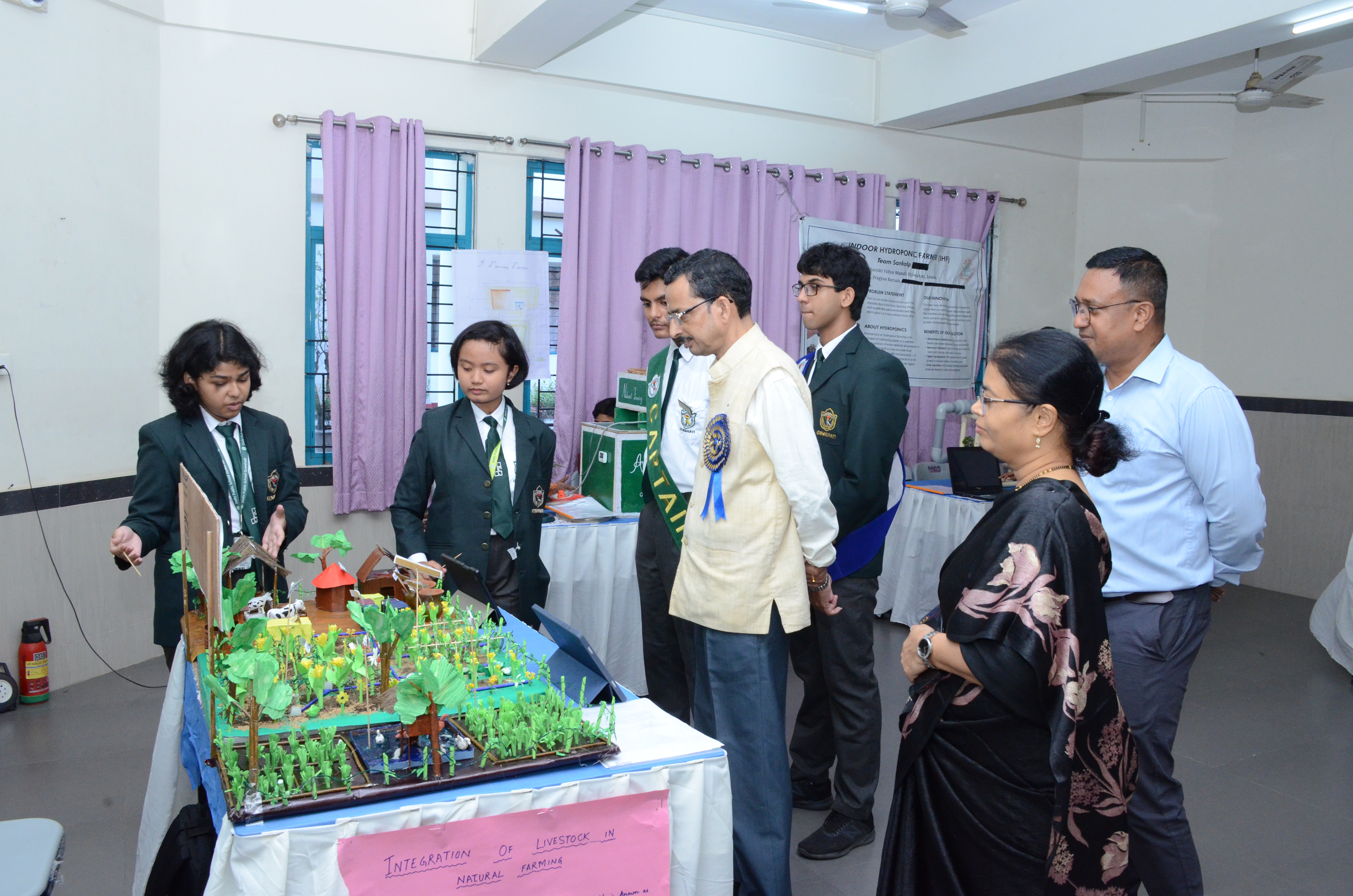
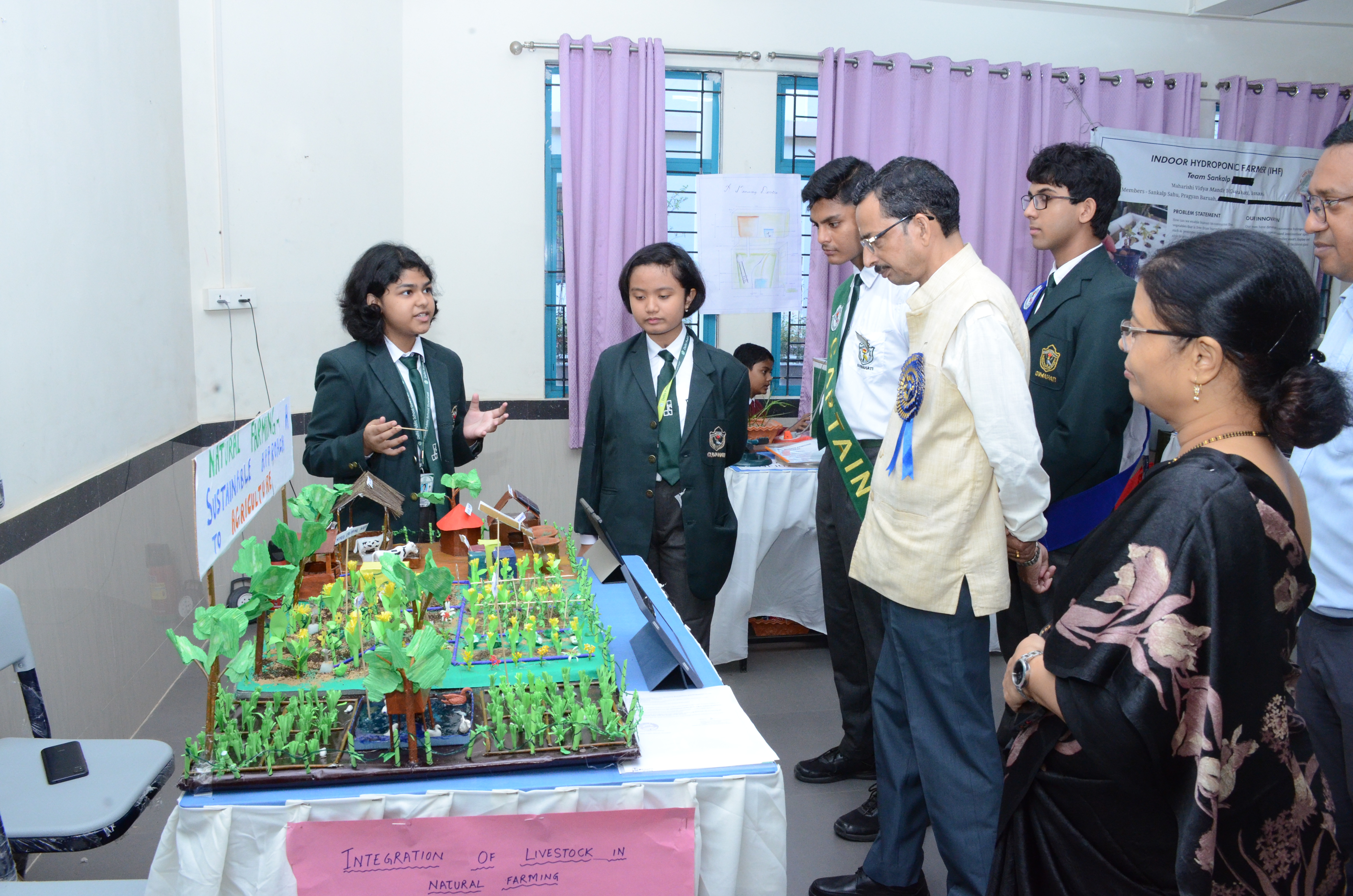
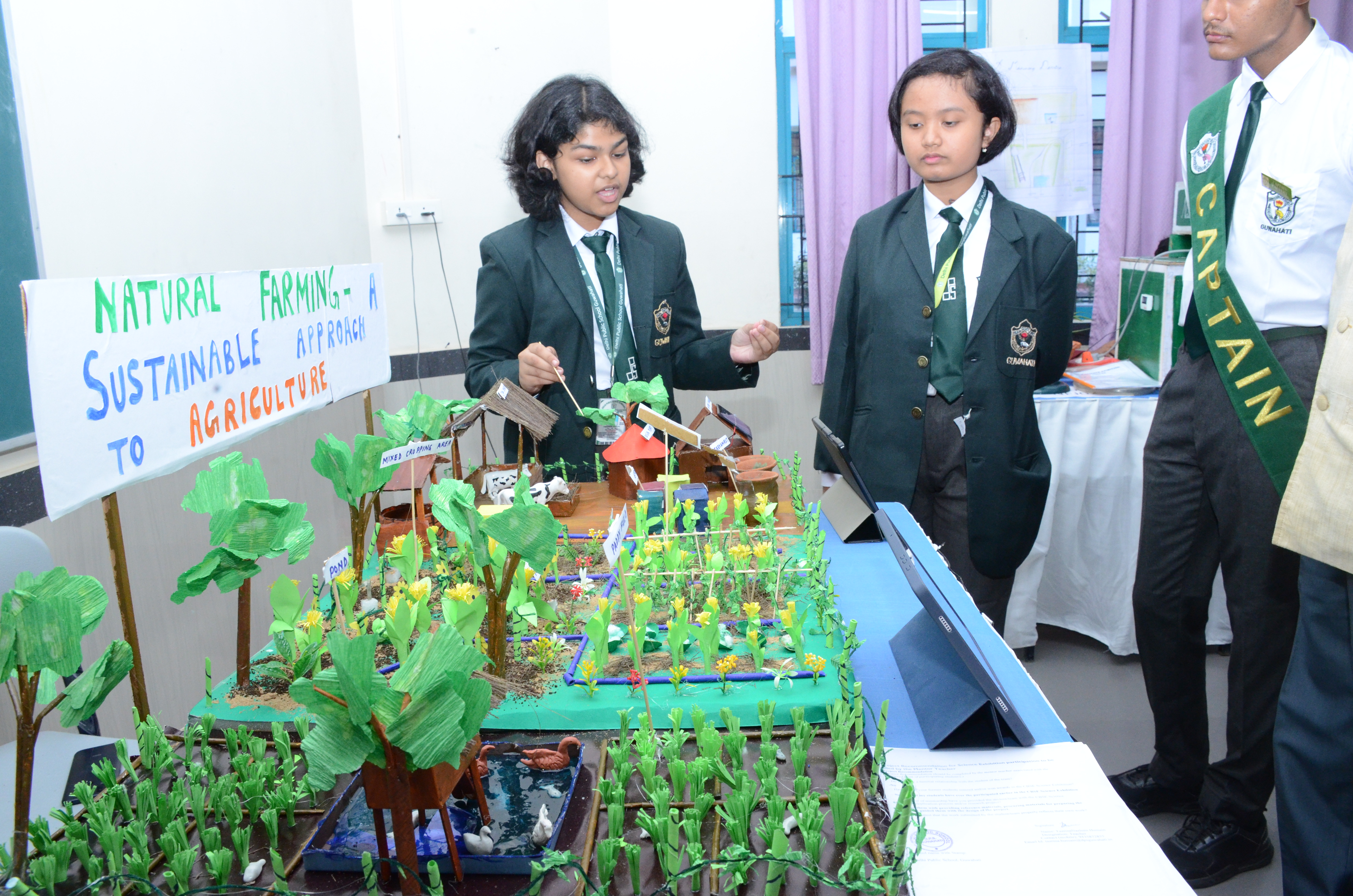
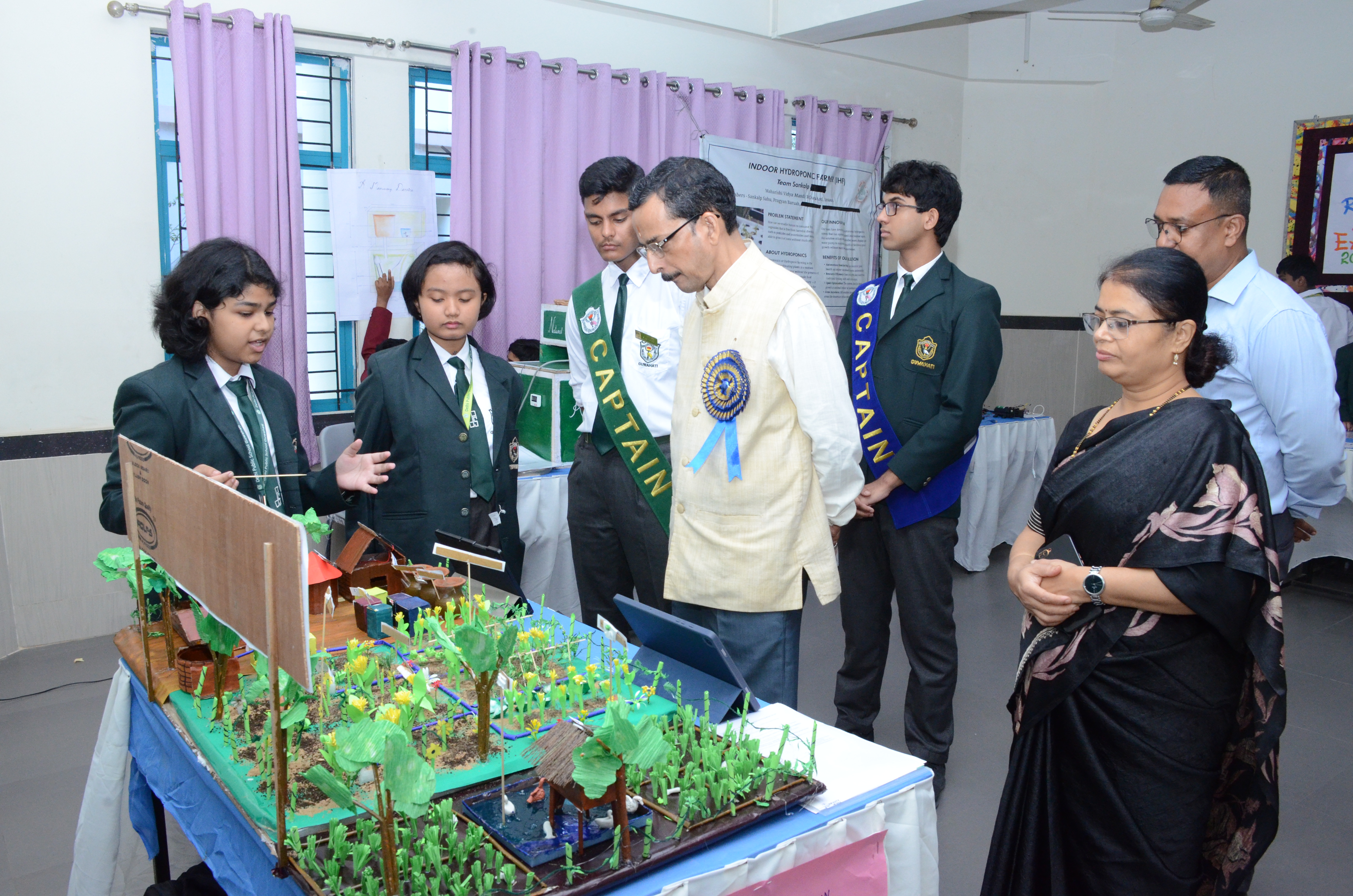
Natural Farming:A Sustainable Approach to Agriculture


Natural Farming systems avoid use of chemicals like fertilizers, pesticides etc and focus on local resources usage.It leads to better crop quality at a cost reasonable to both the producers and consumers.

Zero Budget Natural Farming is a type of Natural Farming which utilizes already available resources ,in this way farmers don't have to face economic issues hence the name zero budget.

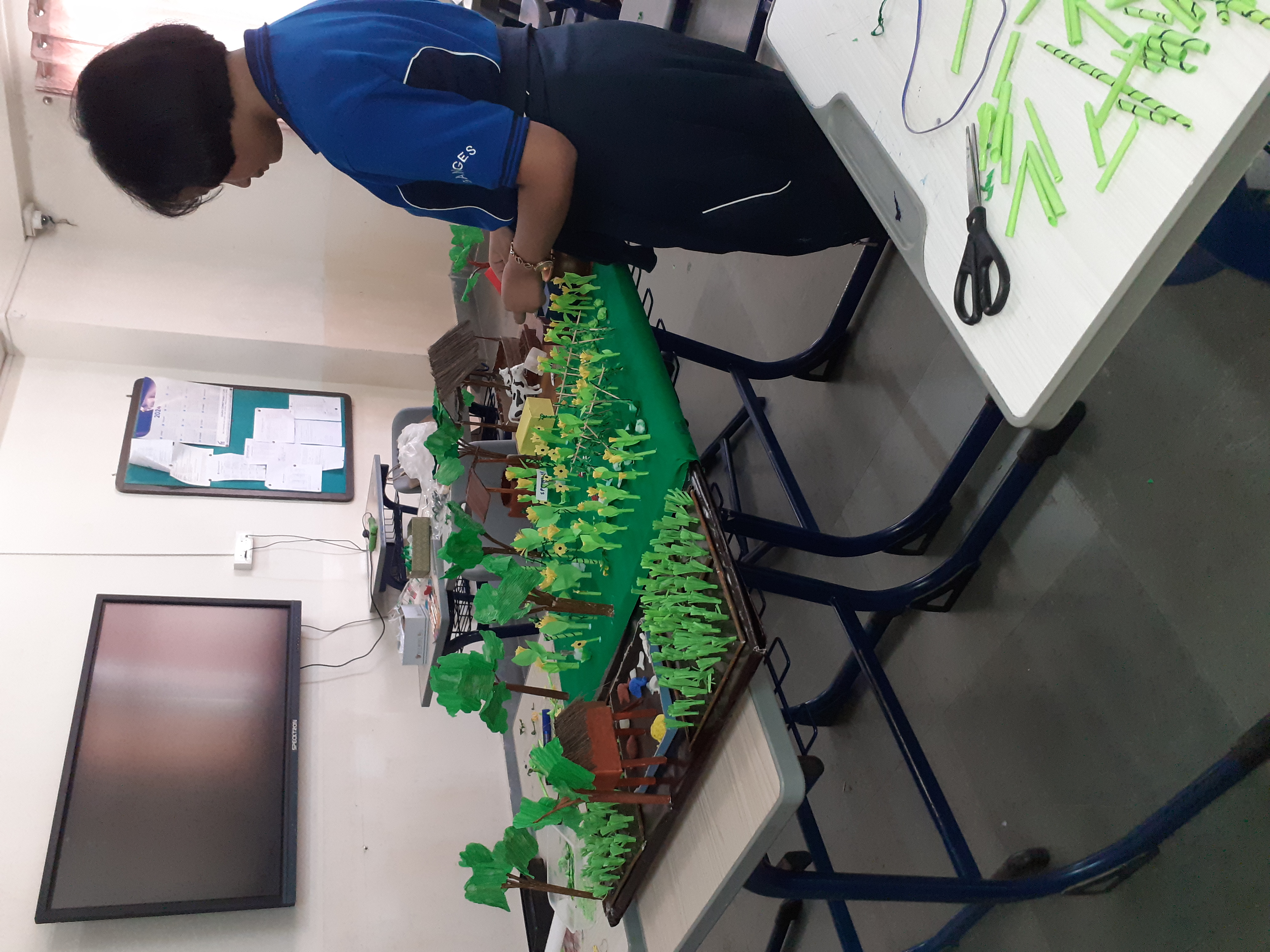
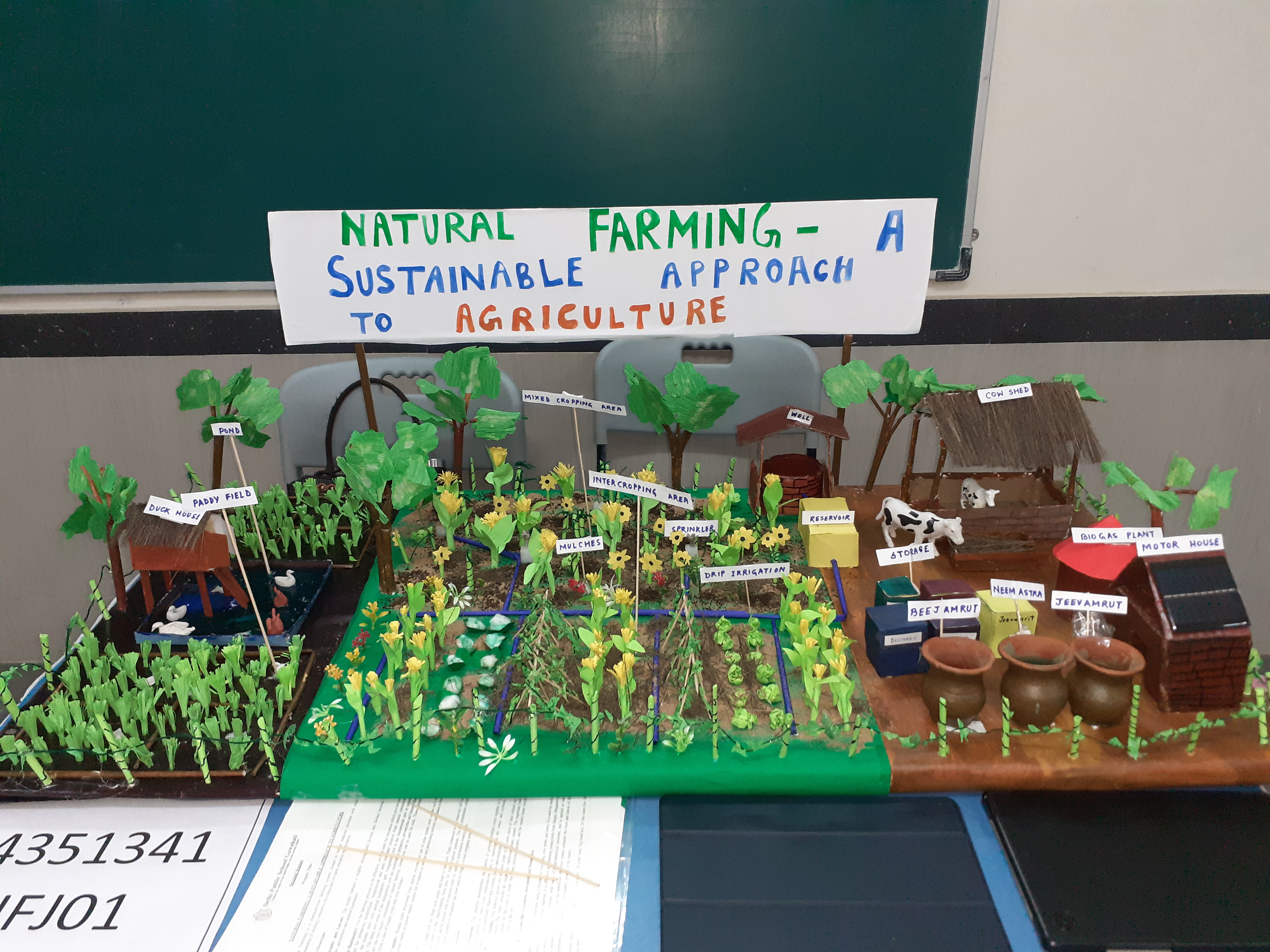
Integrated Natural Farming systems are sustainable and integrate livestock ,crop production, fish ,poultry etc- systems that can benefit together.


Why Natural Farming and Integrated Natural Farming Systems are sustainable and should be adopted by farmers in place of chemical farming

  • These support sustainable (i.e-manage able without compromising) agriculture.
  • It builds an ecosystem where utilisation of resources is maximized and nutrients in the soil are recharged by using on farm inputs like manure and biofertilizers etc.
  • The indigenous practices and knowledge from the traditional ways of farming in India are not lost and can be improved with modern technology.
  • Economic and health benefits for all.
  • Reduces carbon footprint and increases carbon sequestration in soil.

Animal husbandry: Animals are reared for their products as well as improve soil health,resource and nutrient recycling and in pest control. This allows more productivity and ecological balance

Cropping patterns:

  • Intercropping: This practice demonstrates the benefits of growing multiple crops together in a definite pattern or rows.
  • Mixed cropping: This practice grows two or more crops in the same piece of land without any definite pattern.
  • Crop Rotation: This practice highlights the advantages of growing different crops sequentially on the same land to improve soil fertility and reduce pest buildup.

Indigenous farming practice

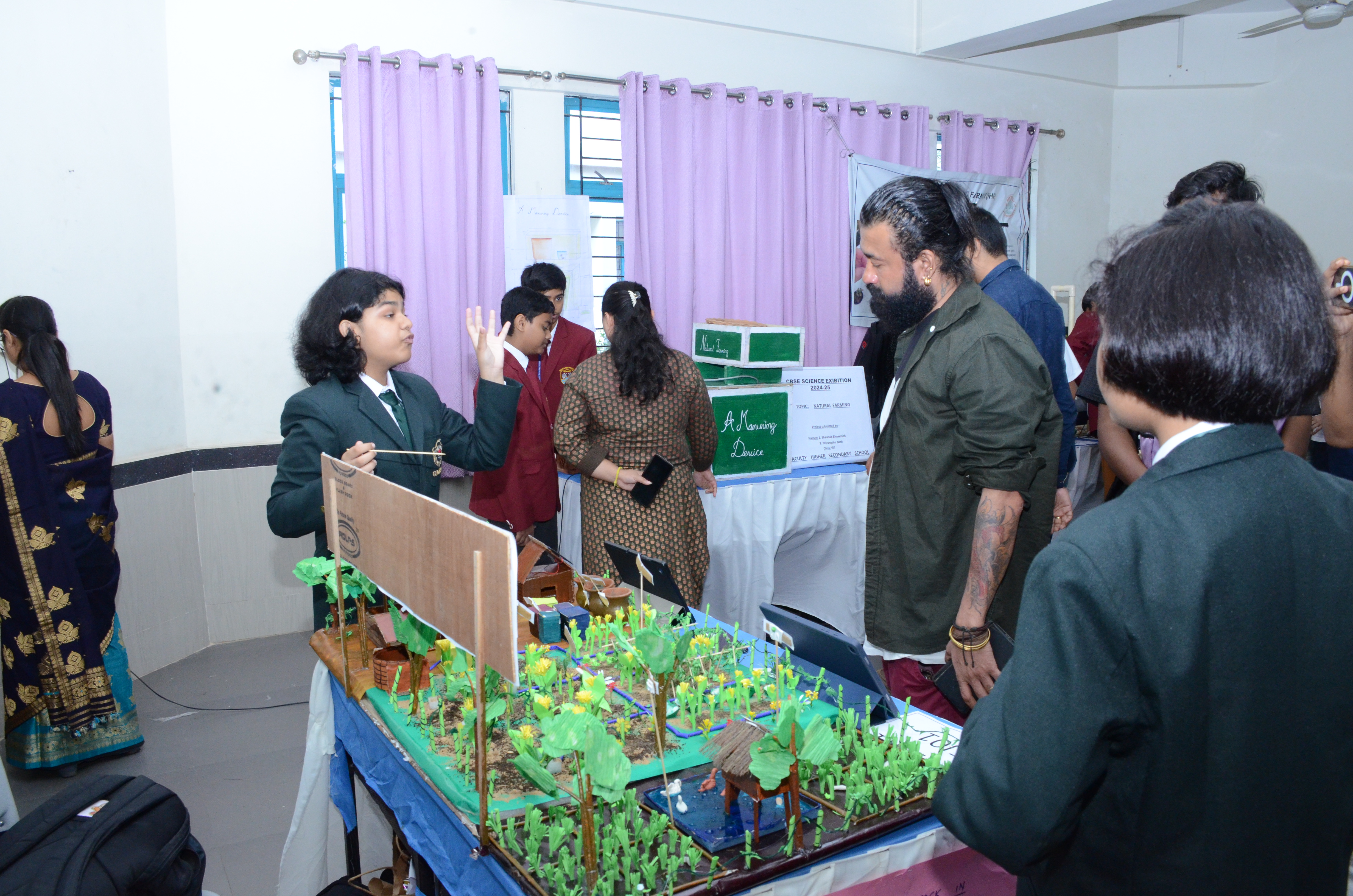
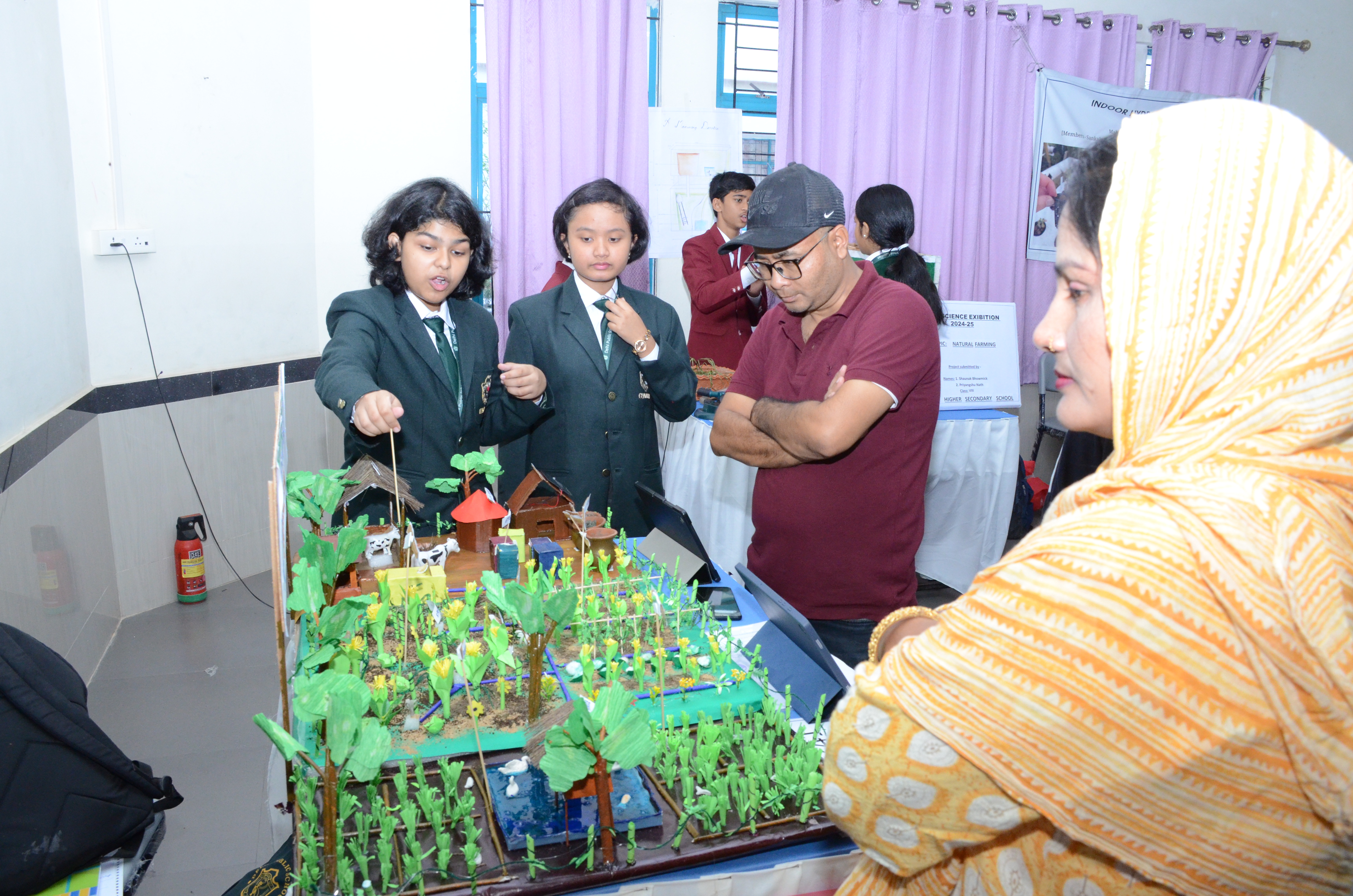
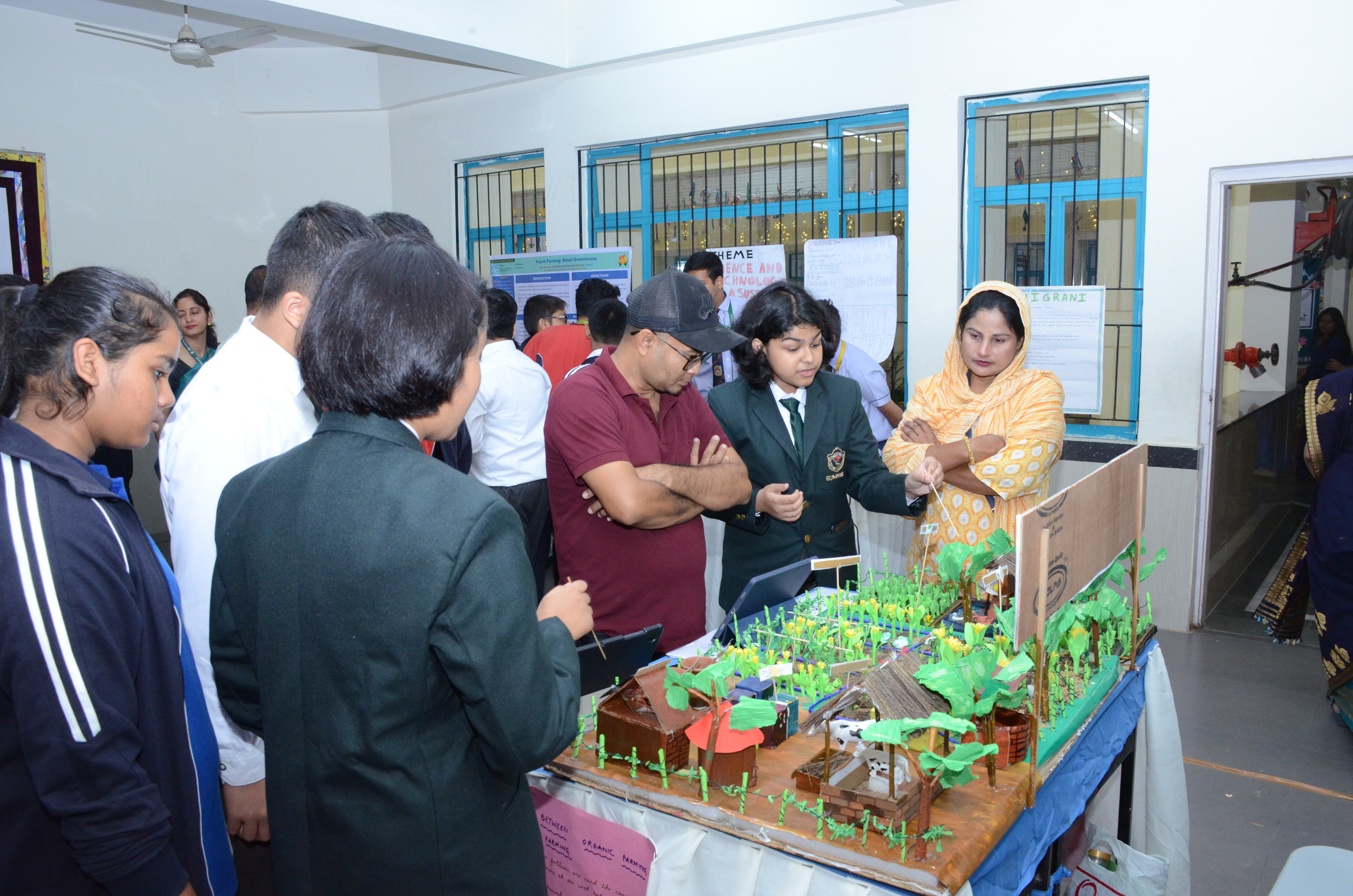
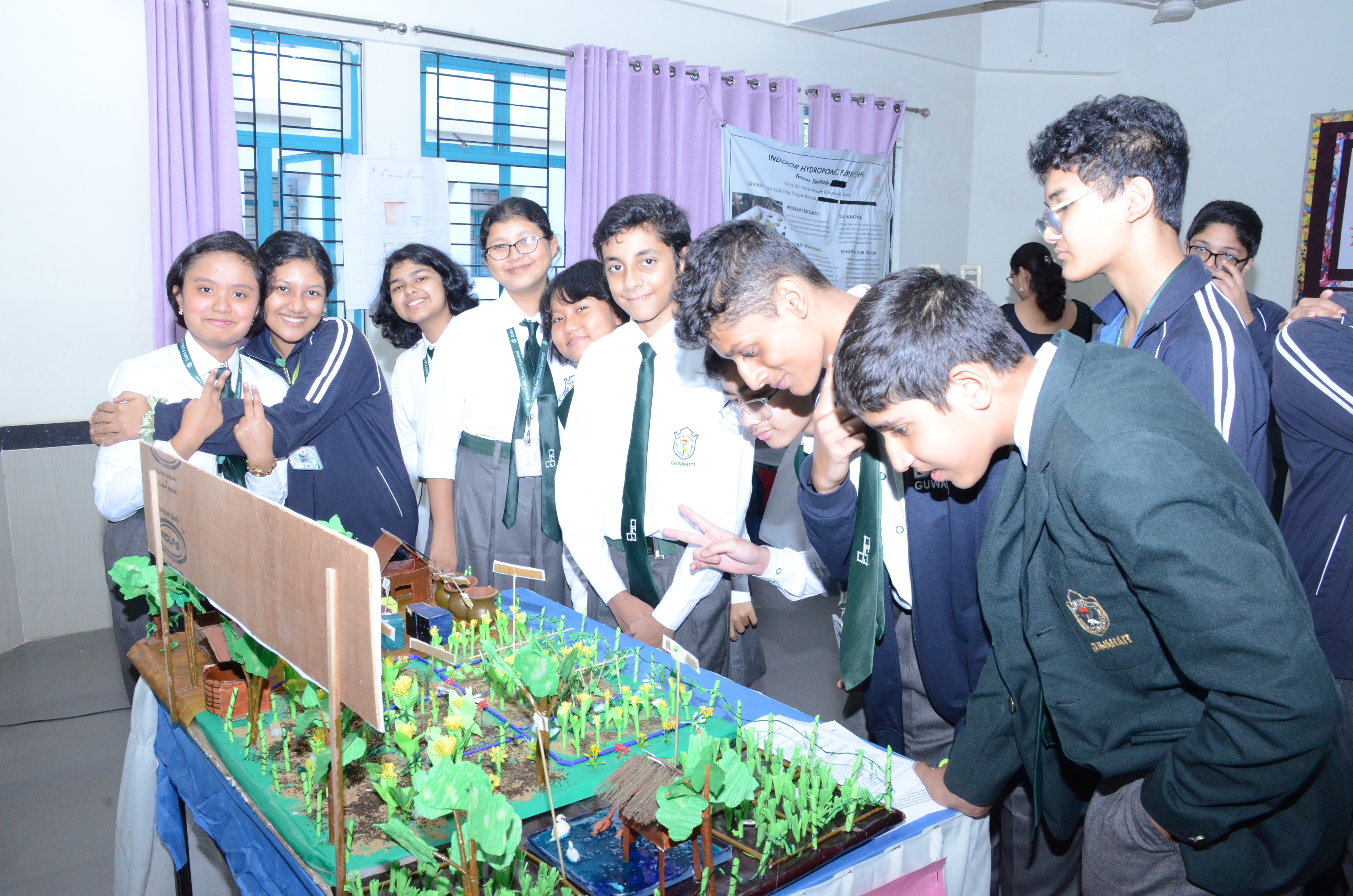
Duck cum fish cum paddy cultivation :

  • Duck house -A shelter which is specifically designed for rearing ducks.It's a safe place for ducks to bread, rest, sleep etc.
  • Pond(fishery) - It is the place where aquaculture is practiced which involved breading, taking care and harvesting of fish in controlled environment i.e. a pond in this case.
  • Paddy feiled-A flooded plot of land where rice is cultivated. The plots are in general surrounded by bunds to help retain the water. Paddy feiled help contrl weeds and pests by keeping the soil submerged, which is ideal for rice.

During the monsoon season, excess water from the pond inundated the paddy field, which also supports shallow water fishes. Paddy fields are suitable for fish culture because of embankment, which prevent leakage of water to retain water upto desired depth and also guarded the escape of cultivated fingerlings/ or fishes during the floods. Ducks play a vital role in this integrated system by consuming juvenile frogs, tadpoles, and insects, creating a safer environment for fish. It also keeps the water clean, which aids in elevating the dissolved oxygen (DO) levels in pond water. Duck droppings contribute essential nutrients like carbon, nitrogen, and phosphorus, stimulating the growth of natural food organisms in the pond. This integrated system yields meat, eggs, and fish, providing additional food and income for farmers.

About Us


Always keeping the goal of creating a sustainable future in mind, this website was created to promote an accessible way to start sustainable agriculture.

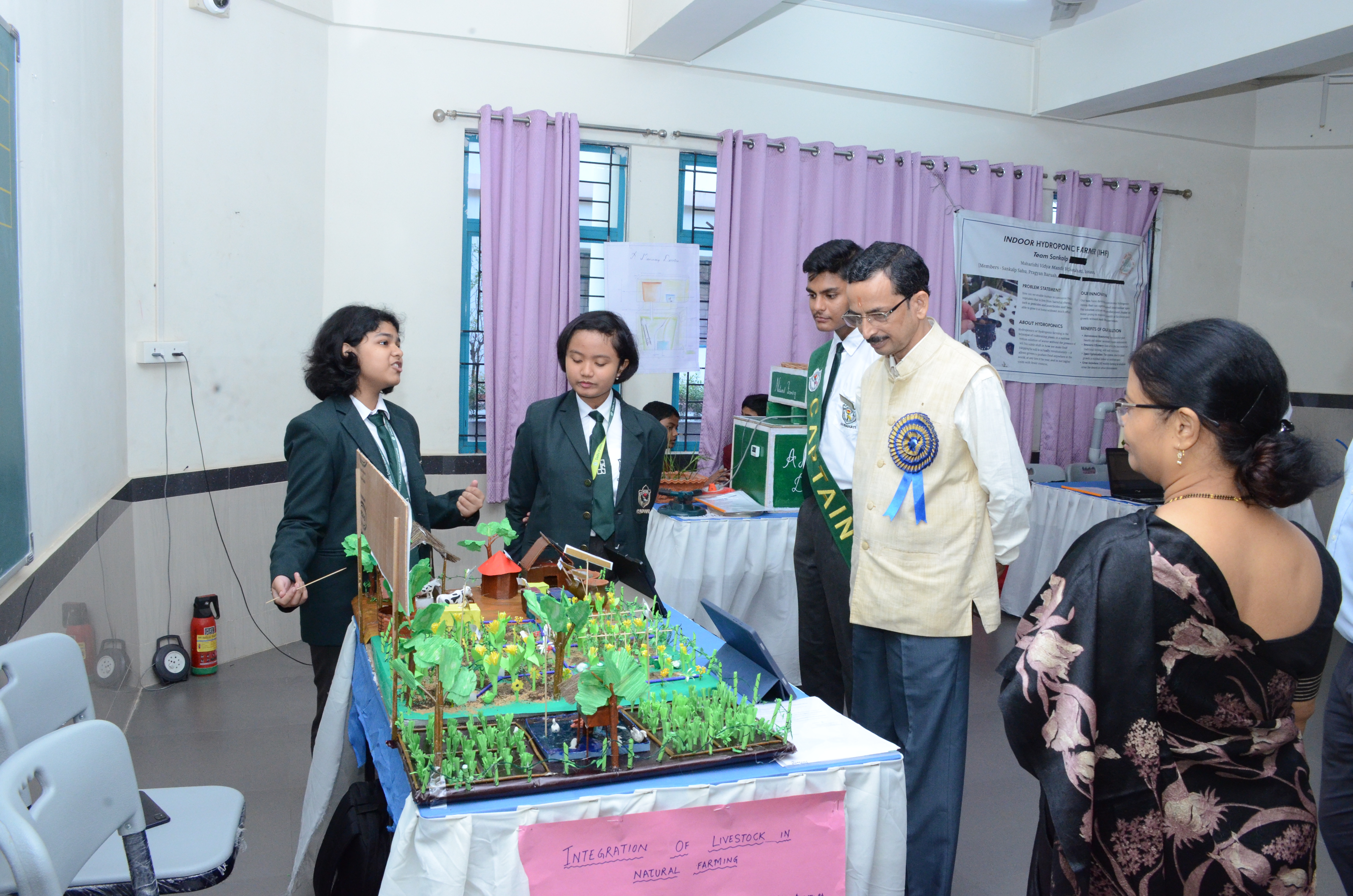
We are Krysvee Deuri and Yashaswini Sandilya, two students studying in the 8th grade of Delhi Public School Guwahati. As part of our science exhibition project, we made this website to make it a little easier for farmers to get started on natural farming.

Our mission is to create a sustainable future, and this is our initiative towards that dream.

For any further queries, kindly contact:

Krysvee Deuri: emeraldskyler455@gmail.com
Yashaswini Sandilya: poloksansilya@gmail.com